
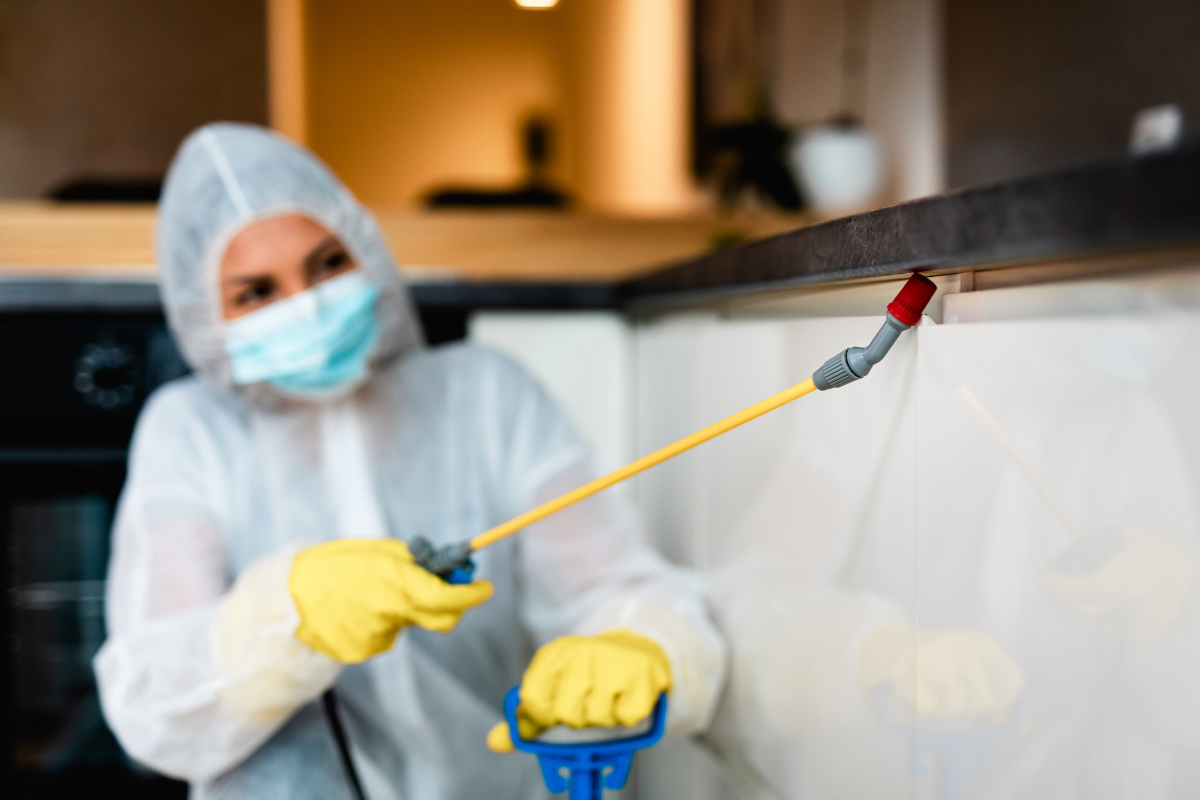
If you’ve scheduled a pest control service and your kitchen is the battleground, preparation makes the treatment faster, safer, and far more effective. The best exterminator or pest control contractor can do a lot with modern methods, but the condition of the space changes how the product performs, how deeply they can access harborages, and how long results last. I’ve walked into spotless kitchens where we needed a light crack-and-crevice treatment and a few monitors, and I’ve stepped into professional-grade home kitchens where we had to remove baseboards and vacuum live German roaches by the cup. The difference is almost always preparation.
Below is a practical, field-tested guide to getting your kitchen ready so the pest control company can do their best work, and you get relief that sticks.
Why prep matters more than people think
Pests survive because they exploit micro-gaps, food films, and moisture that people don’t notice. A scout ant finds a smear of grease behind the oven, roaches nest behind a dishwasher kick plate where a drip line keeps it humid, and mice only need a gap the width of a pencil to move between cabinet voids. Professional products target these behaviors, but clutter, heavy soil, or blocked access reduce coverage and make treatments slower, sometimes requiring multiple visits.
Good preparation also helps with accurate diagnosis. When surfaces are clear and the sink is empty, a technician can follow fecal spotting, cast skins, or air-gap drafts that point to nests and entry points. On the flip side, a kitchen loaded with countertop appliances and stacked pantry items can hide the only hotspots that matter.
Think of it this way: your prep turns a shotgun approach into a laser. It lets a pest control contractor spend their time treating the right voids, setting monitors where activity really occurs, and sealing actual holes instead of guessing.
Start with a plan based on the pest
Every kitchen prep should be thorough, but the focus changes depending on the pest. Ants need bait access and odor reduction. German cockroaches demand heat-adjacent voids and food film removal. Pantry beetles push you toward stored foods and packaging integrity. Mice shift the attention to gaps, droppings, and runways. If you’re unsure what you’re dealing with, look for clues: small brown smears and pepper-like droppings near warm appliances scream roaches; fine webbing in flour or rice points to pantry moths; gnawed corners and rice-sized droppings suggest rodents. A brief phone call with your exterminator service can tailor your prep so you spend time where it matters.
Clear the surfaces so treatment can reach the seams
Countertops, backsplashes, and the edges where cabinets meet the wall are prime highways for pests. When those edges are blocked by canisters, utensils, spice racks, and small appliances, the exterminator can’t treat the cracks or place gel bait precisely. Move all portable items off the counters and kitchen table. If you can, stow them in a room that won’t be treated, or load them into sealable bins or trash bags and set them in the living room. A clear horizontal plane lets the pest control company trace trails and treat the interface between hard surfaces, which is where bait and residuals actually intercept pests.
When you move an appliance like a toaster or blender, give it a quick wipe to remove crumbs and grease. You’re not aiming for showroom perfect, just removing the irresistible scents that can compete with bait. I’ve seen bait stations ignored because a dirty sandwich press ten inches away smelled like a feast. Scent hierarchy matters.
Empty the sink and clear the drain areas
A full sink or standing water works against most treatments. Many ants and roaches use water cues as much as food. Empty and dry the sink before the visit. Remove dishes from the drying rack. If you have a built-in disposal, run it with cold water for thirty seconds, then a quick flush with hot water. Don’t pour chemical cleaners down the drain right before an appointment, since they can create reactions with professional foams or drain gels. If a tech plans a drain fly or phorid treatment, they often use specialized bio-enzymatic or foaming products that work best on a neutral surface.
Under-sink areas are equally important. Pull out cleaners, sponges, and bags so the exterminator can check the P-trap, back wall penetrations, and the cabinet floor for moisture damage and droppings. This is usually where we find the first roach skins or ant highways, and often the easiest place to seal cable and pipe gaps.
Refrigerator, stove, and dishwasher: the heat triangle
If roaches are on the docket, the warm voids around large appliances matter more than any other location. These spots provide the heat and humidity that roaches crave. If it’s safe and manageable, pull out the fridge five or six inches. Do the same for the stove. If you can’t move them yourself, tell the exterminator company at scheduling so they bring sliders or a second tech. Even a small gap allows a nozzle to reach the wall-floor junctions and wiring penetrations.
Remove the lower kick plate under the dishwasher if it’s a simple push tab or two screws. Behind that thin grill is a cozy harbor. I’ve treated dishwasher bases that looked clean from the front only to find dozens of oothecae behind the kick plate. If the plate is stubborn or feels brittle, leave it and alert the tech. They’ll decide whether to pop it off or inject from the sides.
Wipe the floor under where the stove and fridge sit, even if it’s just with a dry cloth on a Swiffer or a dustpan and brush. A minor crumb field can outcompete bait, and any flour dust or grease film will absorb residuals, reducing efficacy.
Cupboards, drawers, and the great emptying debate
You don’t have to strip your kitchen like a renovation unless told, but a targeted emptying saves time and hits the right voids. Focus on cabinets closest to heat and moisture: the sink base, the cabinet over the stove, and the ones directly adjacent to the refrigerator and dishwasher. If roaches are active, remove items from those cabinets and drawers completely. Lay shelf contents on a blanket or tarp in another room. That gives the exterminator contractor space to treat hinge cups, shelf pin holes, and the back corner seams where pests nest.
For pantry pests, the rule is stricter. Pull all open dry goods from the pantry and any cabinet where food is stored. Check rice, flour, cereal, pet food, nuts, and seeds for webbing, frass, or live larvae. Transfer salvageable items to hard-sided containers with tight gaskets. If you see any webbing or tiny moths when you open a bag, discard the entire bag outside. Pantry moth larvae can thread across packaging seams and re-infest quickly if you cut corners.
If you’re dealing with ants, you may not need full emptying, but clear the lowest shelf so the exterminator can apply bait stations or gel along the wall seam without contaminating your food items.
The cleaning that helps, and the cleaning that hurts
Thorough but selective cleaning makes a difference. Vacuum crumbs, wipe grease, and remove food residue on horizontal surfaces. Pay attention to the microwave interior, toaster crumb tray, and the backsplash behind the stove. Clean the floor, especially along the baseboards and under toe-kicks, where roach fecal spotting often accumulates.
Avoid heavy disinfecting on the day of treatment. Strong citrus cleaners, bleach, or ammonia can repel pests and reduce bait acceptance. If you want to deep clean, do it 24 to 48 hours before the appointment. After treatment, you’ll be asked to avoid mopping baseboards or treated corners for a set time, usually a week, so give the room a reasonable scrub before the visit.
For drain flies, resist the urge to pour boiling water or harsh chemicals down the drain right before treatment. Techs often use bio-drain gels that need to bond to organic matter. If you remove that biofilm immediately beforehand, they may need to reschedule or adjust.
Food safety during and after treatment
Your pest control service should brief you on products and re-entry intervals, but a few common-sense steps help. Store all exposed food in airtight containers or the refrigerator. Cover fruit bowls or move them entirely. If a gel bait is placed inside a cabinet, it should be located in cracks and voids that are inaccessible to kids and pets, and away from food-contact surfaces. If you’re concerned, ask the exterminator company to show you each placement. Professionals don’t mind explaining their work.
After treatment, wipe food preparation surfaces with a mild soap and water solution, not a solvent. Do not scrub baseboards or inside cabinet cracks where residuals or dusts may be applied. Follow any label-based re-entry guidance, which can range from immediate re-entry with baits to a couple of hours with certain sprays. If your contractor sets out monitors or traps, avoid moving or stacking items over them.
Managing clutter and the “why” behind it
Clutter creates shadow zones where treatments can’t reach and where pests feel safe. I’ve had kitchens where a single overstuffed bag of returnable bottles was the entire roach factory. Reduce paper bags, cardboard flats, and grocery boxes, as they provide cellulose and micro-harborages for roaches. Break down boxes and move them to the recycling bin outside. If you keep a stack of delivery containers or takeout chopsticks in a drawer, trim that stash. Less is more for a few weeks while the treatment works.
For rodent issues, clutter obstructs evidence. Mice leave grease rub marks, droppings, and urine pillars that tell us about runways and nests. If we can’t see along the baseboards behind a wall of water cases and bulk paper towels, we lose time and accuracy.
Make access easy for the technician
Most of the work happens along the perimeter and in key utility areas. Clear a path to the electrical panel if it’s in a pantry or adjacent space, and make sure we can open every cabinet door and drawer. If child locks are installed, either leave them open or show the technician how they operate. If you have a freestanding island with storage, clear the toe-kick area so we can inspect for rodent gnawing or ant trails.
Pets should be secured in another room or, ideally, out of the home during treatment and for the re-entry window. Fish tanks are sensitive to aerosols. If any spray will be used in the kitchen, cover the aquarium with plastic and turn off the aerator temporarily, per your technician’s instructions.
Special cases: sensitive occupants, allergies, and home chefs
If anyone in the home has respiratory issues, chemical sensitivities, pregnancy, or is immunocompromised, tell the pest control company in advance. There are low-odor formulations, bait-first strategies, and dust placements that reduce exposure. I’ve done entire German cockroach knockdowns using vacuuming, insect growth regulators, and rotation baits with minimal liquid treatments because a newborn was at home. The results were slower but solid.
If you run a home kitchen at high volume, or if you ferment, cure, or bake often, your surfaces may have persistent residues that compete with baits. Plan for a slightly longer prep window. Degrease the range hood filters, clean the underside of wall cabinets near the stove, and wipe appliance cords. Expect the exterminator to recommend follow-up maintenance since heavy cooking areas tend to rebound without careful sanitation.
How to handle food storage and pantry audits
Pest control efforts fall apart when food supply remains uncontrolled. For ants and roaches, the accessible calories are typically tiny films of oil and sugar. For pantry pests, it’s unsealed and long-stored goods. Use this appointment as a pantry audit. Check dates and packaging integrity. Thin plastic or paper bags are not a barrier to beetles or moth larvae. Transfer staples to glass, steel, or quality plastic with silicone gaskets. Label containers with contents and dates so you can rotate stock and catch stale items before they become hosts.
Pet food is a common oversight. Keep it sealed between feedings. If you free-feed, expect recurring ant interest. For roaches, a single overnight bowl can feed a population. Consider elevating pet bowls and using a moat-style dish if ants are persistent, and clean the area afterward.
What not to do before the service
People sometimes try to help in ways that backfire. Foggers are the worst offender. Over-the-counter total release foggers push roaches deeper into walls and make them bait-shy while spreading residues indiscriminately. Please do not fog in the days or weeks before a professional visit. The same goes for spraying hardware-store pyrethroids around every baseboard. You can temporarily reduce activity, but you’ll often drive pests into new areas and make monitoring deceptive.
Avoid DIY caulking of every crack you see the day before an appointment. Sealing is vital, but if you close off active harborages without treatment, you can strand pests inside walls where they find new pathways. Let the exterminator identify which gaps to seal immediately and which to treat first. In many kitchens, we’ll treat voids, install monitors, then return to seal after we confirm there’s no active movement.
Communication with your pest control contractor
A good exterminator service values information. Before the visit, note where you’ve seen activity and at what time of day. Photos help. If you can, map sightings: coffee maker area at 6 a.m., under-sink at 9 p.m., pantry upper right shelf last week. Share recent changes like a pipe repair, a new dishwasher, or a neighbor’s renovation. These shifts often correlate with pest migrations.
Ask what products and approaches they plan to use. If you cook frequently, request bait-forward strategies and targeted crack-and-crevice treatments rather than broad baseboard sprays. If rodents are involved, ask for an exterior inspection and sealing plan to avoid a trap-only approach that doesn’t address entry.
What to expect on the day of treatment
Technicians typically start with inspection, then combine targeted tactics. For roaches, expect a vacuum for live adults, gel bait in hidden seams, insect growth regulators to disrupt reproduction, and residuals in dead spaces. Ant programs often use non-repellent sprays along trails and baits that workers carry back to the colony. Pantry pests involve discarding infested goods, pheromone monitoring, and sometimes crack treatments to catch hiding beetles.
Good exterminator https://rowaninoo608.tearosediner.net/how-to-choose-a-pest-control-contractor-for-termites companies will set monitors like sticky cards or roach stations and document placement. They may pull a kick plate, remove a range drawer, or detach a trim piece if needed. Treatments are precise when prep is done. The technician will likely ask you to avoid heavy cleaning on treated areas and to hold off moving items back into emptied cabinets for a few hours so products set.
Aftercare: habits that lock in results
Your habits over the next two to four weeks make or break the outcome. Even the best application needs time and cooperation from the environment. Keep counters dry at night. Empty the trash regularly and use liners that fit, so food waste doesn’t smudge down the can sides. Wipe stove knobs, the hood lip, and the control panel where grease collects unnoticed. Inspect the under-sink area weekly for new moisture or drips. Replace any blown cabinet floor panels so standing water can’t pool under contact paper.
If you see activity after treatment, don’t panic. A roach program often shows a brief uptick as baits disrupt behavior and flush pests from harborages. Track sightings for your follow-up visit, especially if activity concentrates in a new spot. Do not spray household insecticides over bait placements, as that can contaminate the bait and reduce feeding.
Structural fixes that make life easier
Two categories of repairs pay off quickly. First, moisture control. Dripping P-traps, sweating supply lines, and wobbly dishwasher hoses feed pest survival. Replace washers or tape threads as needed, and consider a simple under-sink mat that makes spotting drips easier. Second, gap sealing. Use silicone around sink rims, kitchen backsplash seams, and counter-wall junctions. For larger holes around pipes, a copper mesh plus sealant combo works well. Under toe-kicks, foam backer rod can plug gaps that create rodent highway tunnels. Your pest control company may offer exclusion work, and for rodent-heavy buildings, professional-grade sealing of exterior gaps is worth the investment.
A short, practical checklist you can follow the day before service
- Clear countertops and table, and wipe obvious food films. Empty the sink, dry surfaces, and clear under-sink storage for access. Pull fridge and stove a few inches if safe, and remove dishwasher kick plate if easy. Empty cabinets nearest the stove, refrigerator, and sink; quarantine open dry goods. Secure pets, cover aquariums if sprays will be used, and create clear floor access around baseboards.
When to reschedule and why it matters
If a plumbing leak starts the morning of your appointment, or if you discover widespread pantry pest contamination you can’t tackle in time, call the exterminator company. A brief delay lets you correct the moisture source or discard infested items first, which dramatically improves treatment success. Similarly, if painters are arriving the next day to sand and wash baseboards, coordinate the two services. Wet paint prep can remove residues or dusts that need a week to work.
Cost, time, and realistic expectations
Most kitchen-focused treatments take 45 to 90 minutes depending on layout and severity. For a stubborn German cockroach infestation, plan for at least two to three visits over four to six weeks. Ant issues may resolve in one or two visits if baits are protected from competing food and moisture sources. Pantry pests usually calm within two weeks once infested foods are removed, but traps may catch stragglers for a month. Rodent problems hinge on entry points; expect one interior visit for trapping and at least one exterior exclusion pass if the pest control contractor offers it.
Prepare your kitchen as if you’re making space for a craftsperson. In the field, the most dramatic turnarounds come from homes where the countertops are clear, the under-sink is accessible, and the hottest appliance voids are open to treatment. Those are the kitchens where baits get eaten, monitors tell the truth, and follow-ups turn into simple verifications.
Building a safer, cleaner baseline after the service
Once you’ve knocked down the population, lock in changes that reduce the odds of a rebound. Store bulk dry goods in sealed containers. Set a reminder every two months to pull the stove drawer and vacuum crumbs. Keep a small flashlight in the kitchen to check under the sink and behind appliances. Replace torn door sweeps that allow insects and mice to wander in, especially in ground-floor apartments. If your building has shared walls and persistent pest pressure, schedule quarterly maintenance with your pest control service. Light, targeted upkeep beats crisis response every time.
There’s no magic involved in a successful kitchen treatment. It’s a partnership. You handle the space, the exterminator company handles the biology and tools, and together you push pests out of the margins they inhabit. Give them access, remove the easy food and water, and let the products do the rest. Over a few weeks you’ll see the signs fade: fewer droppings in the cabinet corners, silent nights without scurrying, and a pantry where flour is for baking, not feeding beetles. The prep is worth it.
Clements Pest Control Services Inc
Address: 8600 Commodity Cir Suite 159, Orlando, FL 32819
Phone: (407) 277-7378
Website: https://www.clementspestcontrol.com/central-florida